
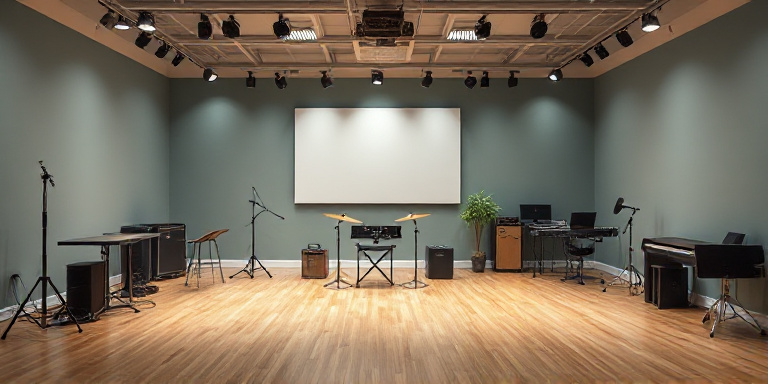
The final student of the day has just left. Your ears are ringing slightly from the last scale exercise, and the metronome's steady tick is still echoing in your mind. You love teaching, but as you slump into your chair, your real work is just beginning. You pull out your phone and open a chaotic thread of text messages, emails scribbled on sticky notes, and a dog-eared paper planner. Sarah’s mom wants to move her Thursday lesson to next Monday. Liam needs to cancel this week but will "let you know" about rescheduling. And you still haven't confirmed a time with that new prospective student who emailed three days ago. The next hour vanishes into a black hole of back-and-forth communication, trying to align everyone's soccer practices, school plays, and work schedules. This, you think, is the part of the job they never taught you in conservatory. The administrative drain is relentless, stealing precious evening hours that could be spent practicing your own craft, lesson planning, or simply recharging. But what if there was a way to automate this chaos? What if you could streamline your entire teaching operation, making it effortless for students to book lessons while giving you your life back? This isn't a far-off dream; it's the new reality for modern music educators who are leveraging smart tools to reclaim their time.
The Hidden Cost of Manual Scheduling for Music Teachers
For music teachers, time is the most valuable instrument they possess, yet it's often squandered on non-billable administrative tasks. The traditional method of scheduling—relying on phone calls, texts, and a patchwork of emails—creates a significant hidden cost to your business. Every minute spent playing "calendar tag" is a minute not spent on income-generating activities like teaching, refining your curriculum, or marketing for new students. This manual process is fraught with inefficiencies: double-bookings from miscommunication, last-minute cancellations that leave gaping holes in your schedule, and the constant mental energy required to keep all the moving parts organized. The friction in the booking process itself can be a major barrier to growth. A prospective student or parent eager to sign up may lose momentum if they have to wait hours or days for an email reply to find an available slot. In today's on-demand world, that delay can mean a lost student to a competitor who offers instant online booking. This is where understanding how to book music lessons online becomes a critical business skill, transforming a cumbersome process into a seamless, automated advantage that works for you 24/7.
What is Music Lesson Scheduling Software and How Does It Work?
At its core, music lesson scheduling software is a digital platform designed to automate the entire booking and administrative workflow for private instructors. It acts as your personal automated receptionist, handling inquiries, bookings, and reminders without any manual input from you. The process is elegantly simple: you create a dedicated profile page that lists all your services (e.g., 30-minute beginner piano, 60-minute advanced violin coaching, trial lessons). You then set your availability—your working hours, days off, and buffer times between lessons. This profile gets a unique link that you can share on your website, social media profiles, email signature, or business cards. When a student or parent visits your page, they see your real-time availability and can instantly book and pay for a slot that works for them. The system automatically prevents double-booking and sends automated confirmation and reminder emails or SMS messages, drastically reducing no-shows. This category of tools for music teachers to manage students is revolutionizing private music education, shifting the burden of logistics from the teacher to an intelligent system.
Key Features to Look For in a Scheduling Platform
Not all scheduling systems are created equal, especially for the unique needs of a music teaching practice. When evaluating options, there are several must-have features to consider. First is customizable service types. You should be able to define different lesson lengths (30, 45, 60 minutes) and types (private, group, trial) with their own descriptions and prices. A synchronized calendar is non-negotiable; the platform should seamlessly integrate with Google Calendar or Outlook to provide a single source of truth for your schedule. Automated reminders are arguably the most valuable feature for reducing last-minute cancellations and no-shows. Look for systems that send email and SMS reminders 24 or 48 hours before an appointment. A client management database is also crucial—a place where you can view all your students' contact information, notes on their progress, and booking history. Finally, a professional public profile page that you can brand with your logo and studio information is essential for attracting new students directly through the booking platform itself.
How Automation Directly Translates to More Revenue
Implementing a smart scheduling system isn't just an administrative upgrade; it's a direct investment in your bottom line. The financial benefits are multi-faceted. First, by drastically reducing the rate of no-shows through automated reminders, you protect your existing income. A single missed lesson per week can add up to thousands of dollars in lost revenue over a year. Second, automation recaptures billable hours. The time you used to spend on scheduling admin is now freed up. You can choose to fill that time with more teaching hours or use it to develop group workshops or online courses—new revenue streams for your business. Third, a professional, instant-booking experience significantly boosts conversion rates. Prospective students are more likely to commit when they can immediately see your availability and book on their own time without friction. This streamlined onboarding process helps you grow your student roster faster. By using the right tools to streamline music teaching with appointment scheduling, you effectively create a business that scales efficiently without requiring more of your personal time.
Introducing CalendX: Scheduling Built for Service Professionals Like You
While there are many generic scheduling tools on the market, CalendX is specifically designed for service-based professionals who offer distinct packages and sessions—making it an ideal fit for music educators. Unlike platforms cluttered with ads or those that require a free trial before committing, CalendX offers straightforward paid tiers with free, anytime cancellation, respecting both your time and your budget. Security and privacy are paramount; CalendX doesn't store critical personal data and uses secure tokenized authentication (for example, if you use Google login, that information is managed solely by Google). The core functionality allows you to create a public professional profile where you can list all your different lesson offerings—from introductory packages to ongoing weekly sessions. Students then visit your personalized CalendX page to see your real-time availability and book their slots instantly, 24/7, even when you’re asleep or away from your phone. This powerful approach is how to book music lessons online effortlessly.
A Step-by-Step Guide to Setting Up Your Teaching Schedule on CalendX
Getting started with CalendX is a simple process that will pay dividends for years to come. Step 1: Create your account and build your professional profile. Upload a professional headshot, write a compelling bio about your teaching philosophy and experience, and add your contact information. Step 2: Define your services. Here is where you list out your different offerings—create a service for "30-Minute Private Piano Lesson," "45-Minute Advanced Guitar Coaching," "Introductory Trial Lesson," etc. For each service, you can set the duration, price (if you collect payment offline), and a description of what the student can expect. Step 3: Set your availability. Block out your standard teaching hours (e.g., Weekdays 3 PM - 8 PM). Then use the platform's flexibility to block out specific dates for vacations, holidays, or personal time. This ensures students can only book when you are truly available. Step 4: Share your unique booking link everywhere—on your website’s “Book Now” button, in your Instagram bio, and in your email signature. This seamless setup is what makes it one of the most effective tools for music teachers to manage students.
Beyond Booking: Using Your Reclaimed Time Strategically
The ultimate goal of automation is not just to save time but to reinvest it strategically into areas that fuel your growth and passion as a musician and educator. So what do you do with all those reclaimed evening hours? First, deepen your craft. Use the time for your own practice and artistic development, making you a better teacher and performer. Second, enhance your lessons. Develop new teaching materials, curate repertoire lists tailored to individual students, or record demonstration videos. Third, focus on marketing. You can now dedicate real energy to growing your studio by creating content for social media, building an email newsletter for students and parents, or networking with local schools. Finally, and perhaps most importantly, prevent burnout. Teaching music is incredibly rewarding but also emotionally and physically demanding. Protecting time for rest and rejuvenation is essential for sustaining a long and successful career. Automating admin through smart music lesson scheduling software is the first step toward achieving this sustainable balance.
Addressing Common Concerns About Switching to Automated Scheduling
It’s natural to have reservations about changing a long-held system. One common concern is whether the process will feel impersonal to students and parents. In reality, the opposite is true; automation handles the tedious logistics so you can focus on the personal interaction during the actual lesson time. The booking experience itself is also more professional and convenient for them—they don’t have to wait for an email reply or play phone tag. Another worry is about complexity and tech-savviness. Modern platforms like CalendX are built with simplicity in mind, requiring no technical knowledge to set up and manage. If you can use a calendar app, you can use this software. There’s also the question of cost versus benefit. When viewed as an investment rather than an expense, the math becomes clear: if the tool saves you just two hours of admin per month and prevents one missed lesson every quarter, it has more than paid for itself while contributing significantly to your peace of mind.
The Future of Your Music Teaching Business
The landscape of private music education is evolving rapidly. Students and parents expect the same level of digital convenience they get from every other service in their lives. Embracing technology like automated scheduling is no longer a luxury; it's becoming a standard practice for successful, modern studios. It positions you as a professional who values both your time and your clients' time. As CalendX continues to evolve with planned integrations for payments and SMS notifications directly within the platform, the potential to further streamline music teaching with appointment scheduling will only grow. Imagine automatically sending invoices after a lesson or receiving instant notifications of new bookings via text message—all from the same simple dashboard.
Conclusion
The dream of running a fulfilling and profitable music teaching practice doesn't have to include being chained to your inbox every night. The administrative chaos of scheduling lessons manually is a solvable problem. By embracing dedicated music lesson scheduling software like CalendX;you can automate the entire booking process;dramatically reduce no-shows;and present a incredibly professional image that attracts more students.This shift does more than just streamline operations—it fundamentally gives you back control over your time;allowing you to reinvest your energy into what truly matters: sharing your love of music with your students;nurturing their talent;and growing your own artistic journey.The evenings you spent coordinating schedules can become evenings spent practicing;composing;or simply relaxing.You have the expertise;now it's time to have the tools.Take the first step toward automating your schedule;and finally get your evenings back.